There are plenty of big numbers in agriculture, so soil sampling is a relatively small line item. But the data it provides can help inform some of the biggest decisions made on the farm.
That’s why the real question isn’t just, “What does soil sampling cost?” It’s, “How can better soil data help make every fertilizer dollar work harder?”
A small investment with a big job
When fertilizer applications are based primarily on average yield rather than soil data, approximately 45% of a field may be over-fertilized while another 45% may be under-fertilized. That means fertility investments could miss the mark on as much as 90% of a field.

Meanwhile, grid sampling over a four-year cycle can represent less than one-third of 1% of total input costs. It’s a relatively small investment in data that can help guide much larger decisions about where nutrients are needed, where they aren’t and how fertilizer dollars can be put to better use.
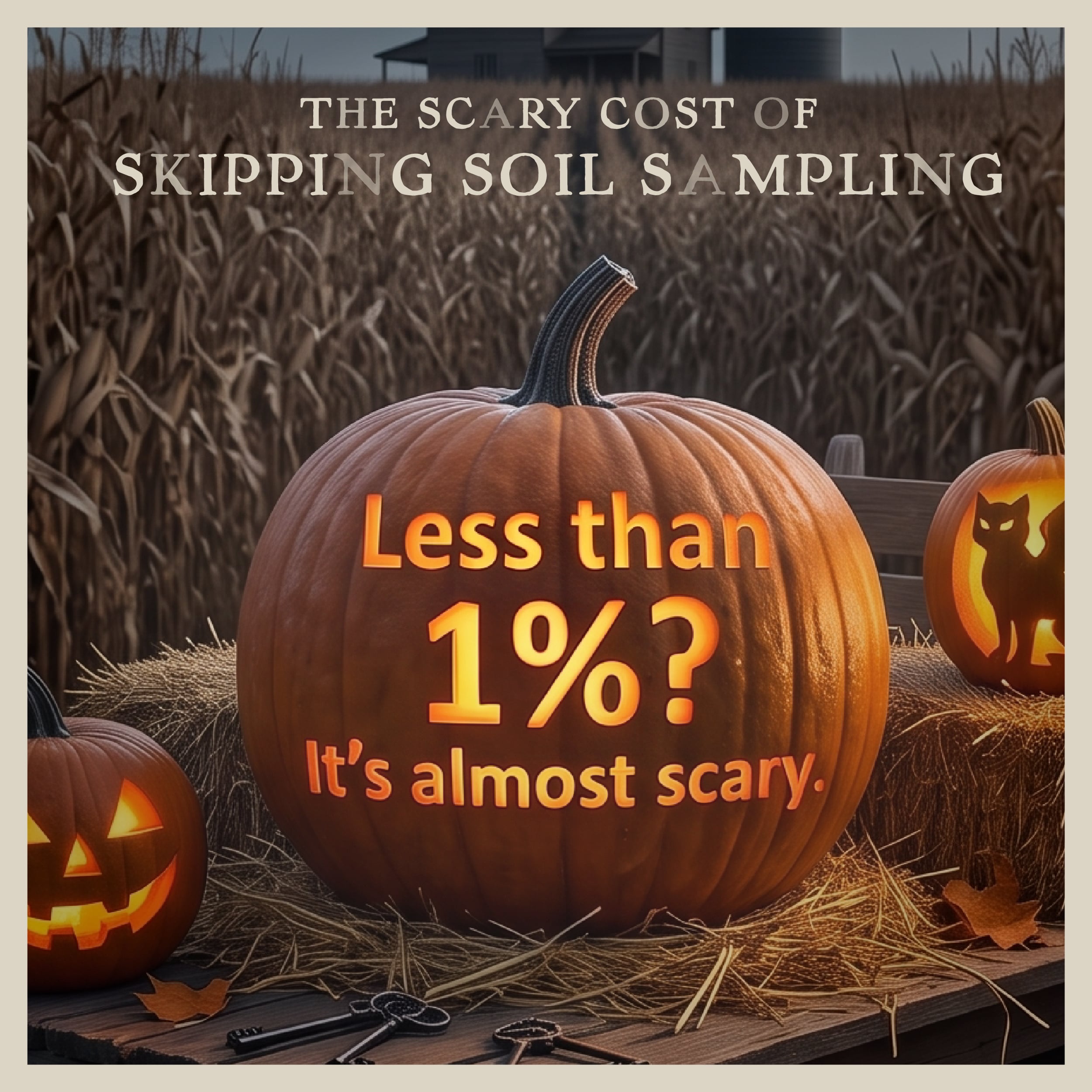
But having soil data is only part of the equation — the quality of the decisions depends on the quality of the sample behind them.
Set a higher standard for soil sampling
The SoilView™ standard is built around doing more than simply pulling cores. It means collecting the Right Sample using highly trained crews and standardized methods to deliver clear, consistent and quality soil data.
Where cores are pulled, sampling depth, timing, handling and consistency from one sampling cycle to the next all matter. When those variables are managed correctly, growers and agronomists can have greater confidence that the data accurately represents what’s happening across the field.
That matters when so much is riding on crop nutrition. Up to 60% of yield potential can depend on it, making reliable soil data an important foundation for decisions that can affect both input investment and crop performance.

One sample isn’t the finish line
Crops remove nutrients. Fertilizer adds them. Yield, weather and management practices continually change the fertility picture. Sampling on a regular cycle helps keep that picture current and builds a field history that can become more useful with every sampling event.
Timing matters, too. For example, sampling before manure application establishes a clearer picture of existing soil fertility before additional nutrients are introduced. Whether manure or commercial fertilizer is part of the plan, the goal is the same: know what’s there before deciding what comes next.
That’s why good soil sampling isn’t simply another input expense. Done well and on a consistent cycle, it provides the foundation for better-informed fertility decisions year after year.